
EE News & Events
-
 Join Elephant Energy as we Light Up The Night!
Our annual fundraiser is right around the corner and will feature local beer, hors -
Five Inspiring Minutes!
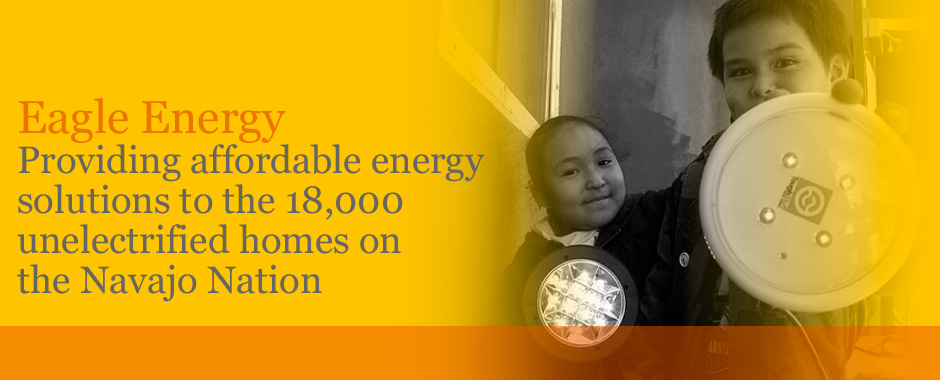
In November, the Eagle Energy team was accompanied to the Navajo Nation by NationSwell -
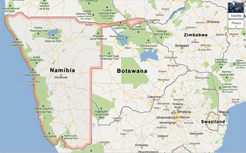
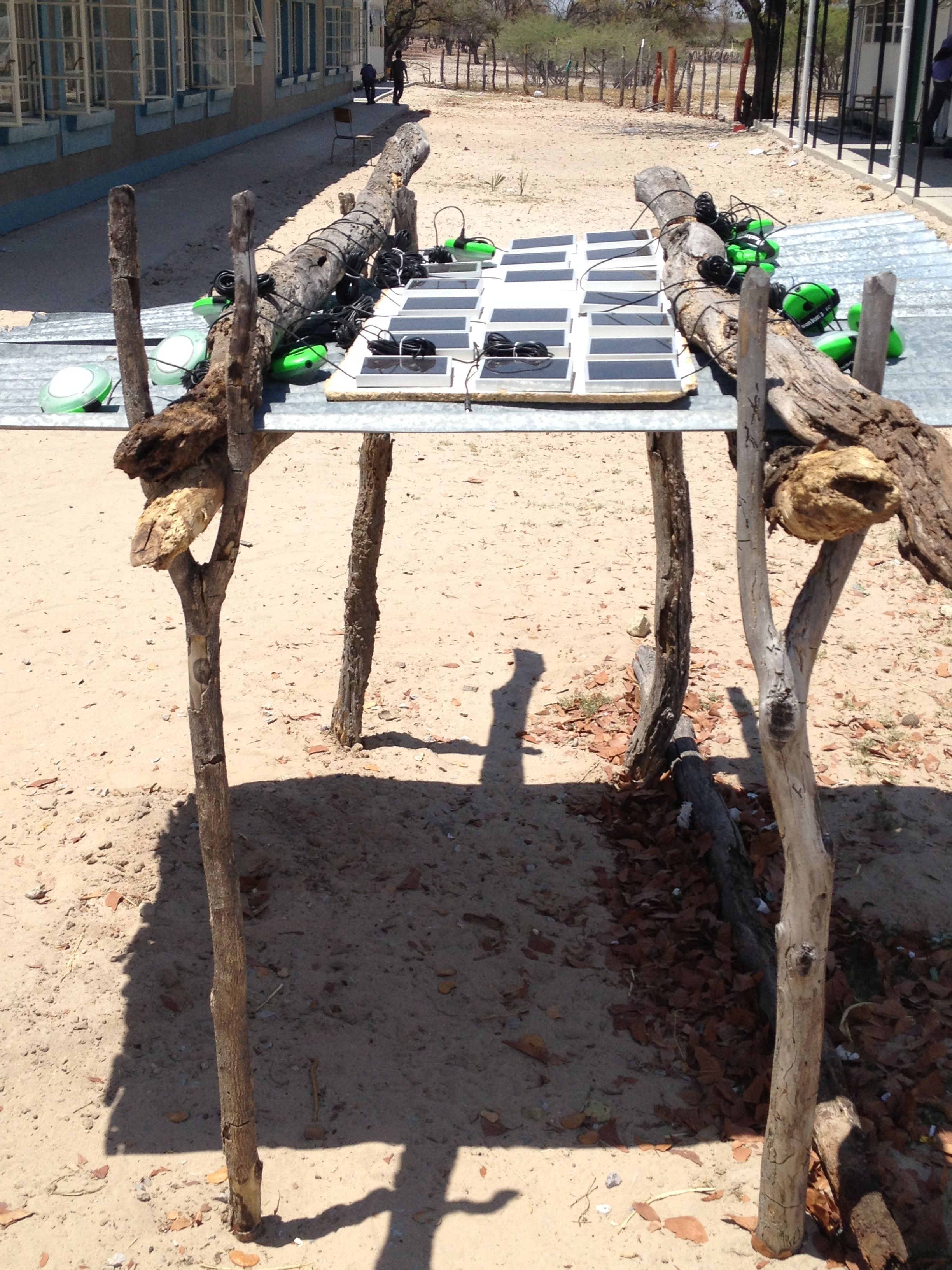 Solar Light Library in action in Namibia
Our Solar Light Library initiative is bringing light to rural students in Namibia! -
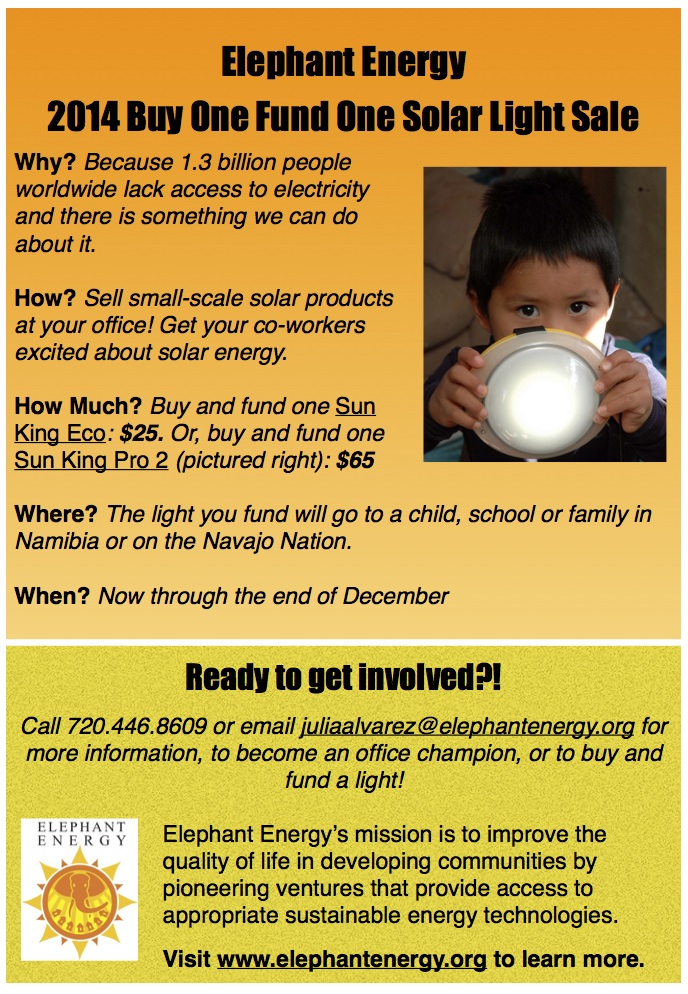 Buy One, Fund One Solar Light Sale!
We are excited to announce the launch of our 2014 Buy One, Fund One Solar Light Sale. -
 Elephant Energy Barnraiser!
Elephant Energy 2014 Barnraiser! Wednesday, July 23, 2014 6:30–8:30 p.m. -
 Lighting The Way For Future Generations
Elephant Energy's Second Blog Post Tuesday, April 22nd, 2014 by Adrian Manygoats -
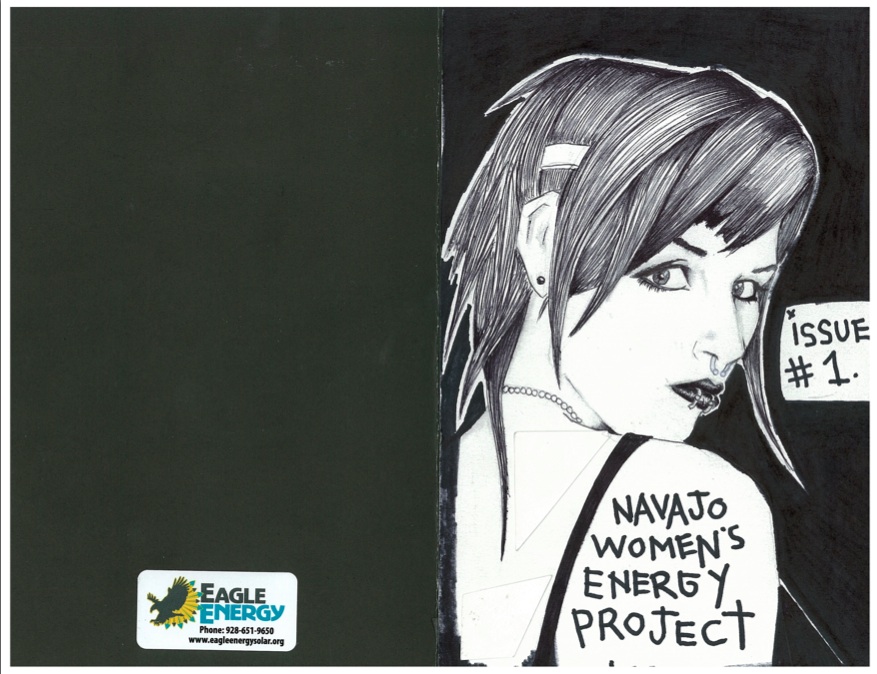 NWEP Zine First Issue
Check out the first issue of the NWEP's new publication Zine! -
 The Namibian Article “A Little Bit of Sunshine”
A little bit of sunshine. -
 Welcome To Our Blog
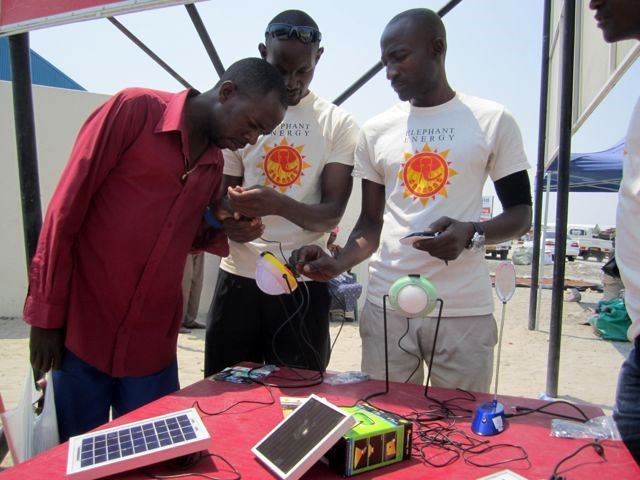
Elephant Energy's First Blog Entry! Thursday, March 27th, 2014 by Katie Murphy -
 Huffington Post Article: Solar Power in a Bottle
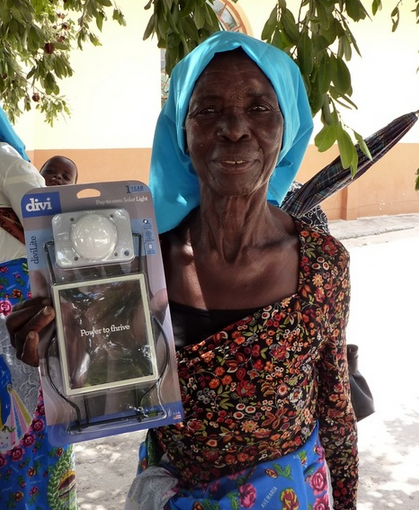
Solar Power in a Bottle Check out the Huffington Post article featuring


Donate
It is donations like yours that keep our organization moving. Those of us with access to electricity have lights to power our homes and businesses, reliable sources of energy to cook our meals, and phones to keep in contact. Donate now and help us bring light to every home, clean air to every kitchen, and power to every hand by supporting Elephant Energy and Eagle Energy and our goals for the future.
Click Here to Make a Donation!Technology
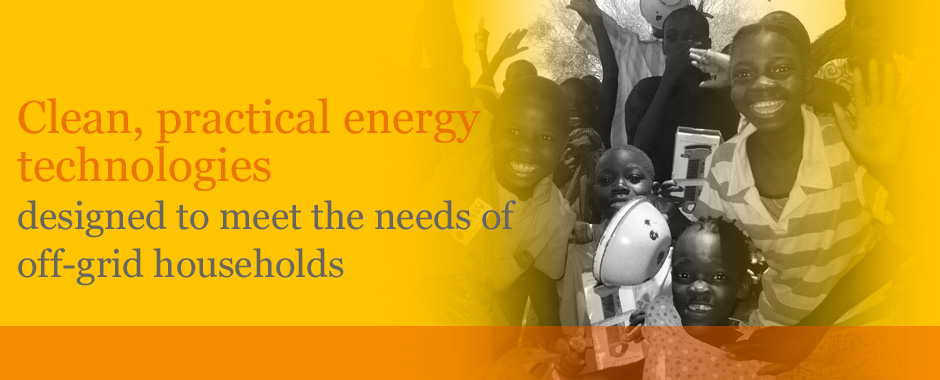
 Elephant Energy selects technologies which are high-quality, low-cost, and designed to meet the daily energy needs of off-grid communities. Solar products are bright and long-lasting while available at an affordable enough price that they can be readily purchased with cash.
Learn More »
Elephant Energy selects technologies which are high-quality, low-cost, and designed to meet the daily energy needs of off-grid communities. Solar products are bright and long-lasting while available at an affordable enough price that they can be readily purchased with cash.
Learn More »